







With more than 12,000 hectares of nickel mines and green-powered industrial parks, Neo Energy is raising the bar for sustainable nickel—and bolstering Indonesia’s central role in the global energy transition.
Neo Energy is redefining Indonesia’s nickel sector by integrating mining, processing, and industrial development under a single sustainable platform. Building on its strong mining foundation at the TAS and MDK sites, Neo Energy is progressing toward vertical integration with the construction of a high-pressure acid leach (HPAL) facility, targeted for completion in 2029. This is complemented by two industrial parks spanning more than 7,000 hectares, fully powered by green energy and designated as National Strategic Projects by the government.
“We aim to be known as Indonesia: The World’s Nickel Powerhouse,” says Independent Commissioner Eddy Pratomo. “Our invitation to investors and stakeholders is clear: partner with Neo Energy and help us achieve these ambitious goals together.”
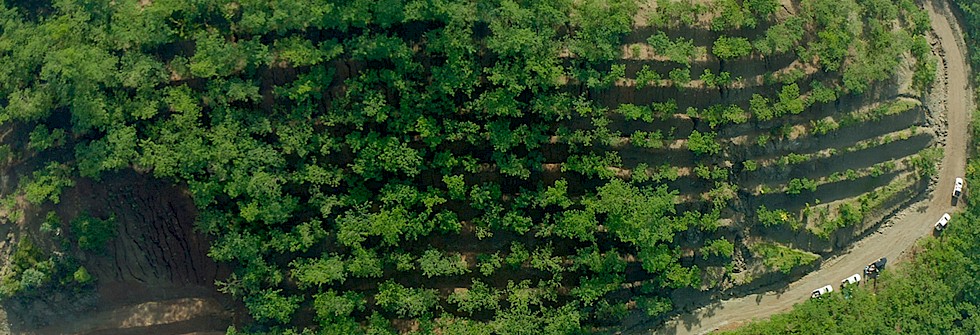
Designed to serve the full EV ecosystem, Neo Energy’s infrastructure is fueled by green power—operating as a closed-loop system that reduces both emissions and waste. Electric trucks and loaders are already in trial use, with a proprietary solar farm replacing diesel generators, while training programs are in place to scale adoption. In parallel, the company controls over 12,000 hectares of nickel mining land, with exploration confirming decades of reserves. All logistics—roads, jetties, and hauling—are company-owned, maximizing efficiency in both costs and transportation. These integrated assets position Neo Energy at the forefront of Indonesia’s sustainable mining and EV sectors.
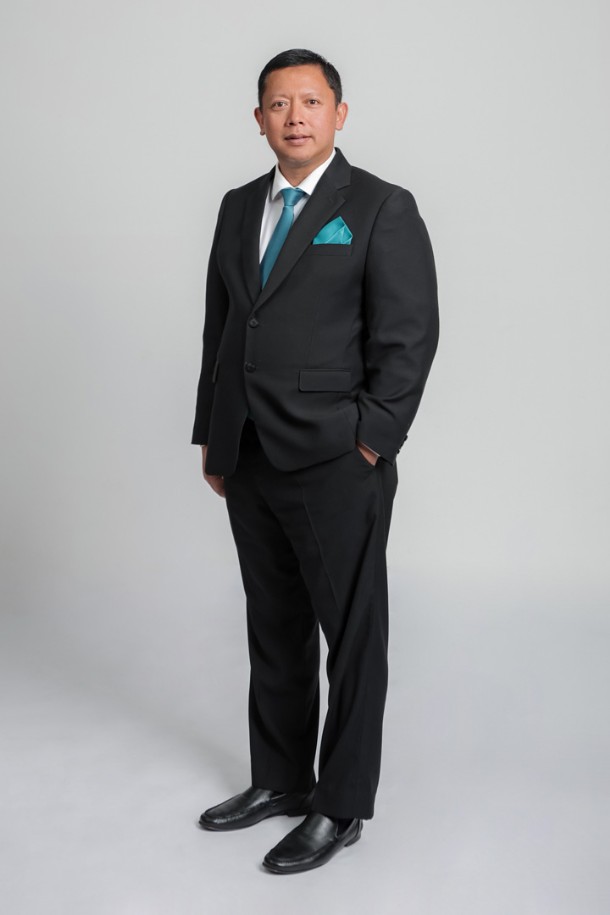
Working closely with the Indonesian government, the company is committed to shaping the nation’s role at the heart of global green nickel supply chains. “Through our green practices, we aim to challenge perceptions of the mining sector,” says President Director Edy Santi. “Mining can be clean, sustainable, and globally competitive. Our goal is to be recognized as a trusted, long-term partner producing with 100% green energy.”
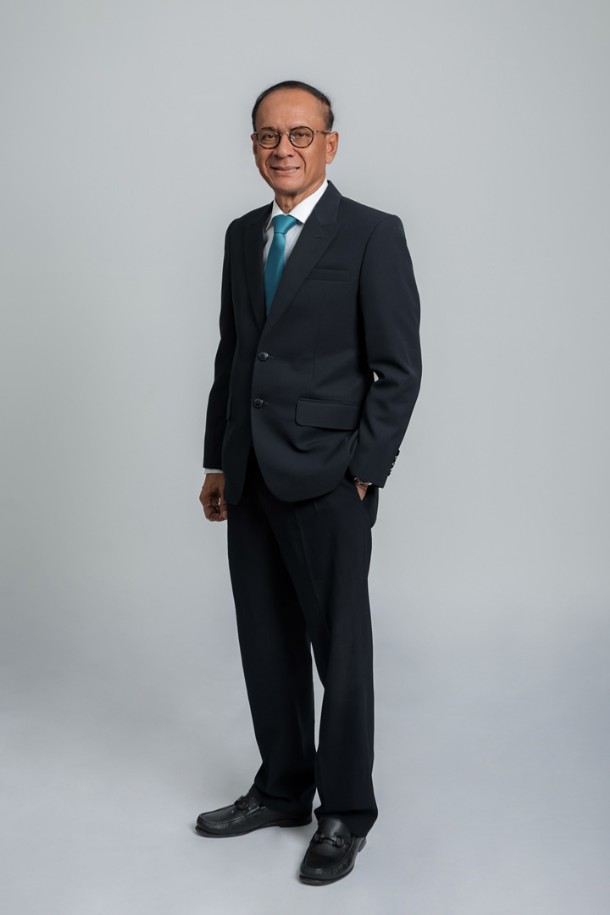
Read selected extracts from the exclusive interview with Edy Santi, President Director of Neo Energy, below.
Q: What are Neo Energy’s current strategic priorities?
Edy Santi: Our immediate priority is building our HPAL facility to produce MHP, a critical raw material for battery components. The industrial estates are designed to serve the EV and battery sector, and we welcome tenants across the entire supply chain. Two elements make us unique: first, both estates are fully powered by renewable energy; and second, as a designated national strategic project, we benefit from a 20-year tax holiday covering corporate and import duties—an important advantage given the 22% corporate tax rate.
Q: What is the status of the industrial estates?
ES: Our first industrial estate covers 2,500 hectares and the second 4,758 hectares. To date, only around 1,000 hectares have been developed, which leaves significant room for new tenants and future expansion. One of our tenants, a slag recycling company, will process our waste into construction materials, reinforcing our green and circular approach. In addition, we are building a waste facility, as required by government regulation, to ensure responsible management. While most of our waste will be recycled, this added infrastructure underlines our commitment to environmental compliance and sustainability.
Q: What is the company’s strategy for continued growth?
ES: We plan to expand by acquiring or partnering with additional mines to secure new resources. Feasibility studies confirm that each of our mines has reserves sufficient for at least 20 years. With ongoing resource development, we expect to further extend these reserves, in alignment with our mission: ore today, green batteries tomorrow
Q: What makes Neo Energy stand apart from the competition?
ES: Our key differentiator is renewable energy. The industrial estate is powered by hydro and solar energy, as well as heat recycling from sulfuric acid steam produced during processing. Unlike open smelters, we operate a closed system, similar to a rice cooker, that captures steam and converts it into power, ensuring cleaner and more efficient operations.
Equally important is our ability to operate at low cost through full control of logistics. All road, hauling, and jetty infrastructure is owned by Neo Energy, eliminating rental or toll expenses. Our HPAL plant and mine are located just 1.7 kilometers from the jetty, making the movement of raw materials to the smelter and finished products to port extremely efficient. This proximity dramatically reduces logistics and fuel costs, giving us a competitive edge in global commodity markets where cost leadership is critical.
Q: What other sustainability initiatives are you implementing?
ES: Beyond the industrial estate, we are introducing green initiatives directly into our mining operations. Several diesel-powered dump trucks have already been replaced with electric units, and we have added an electric wheel loader. Five of these vehicles are currently in trial runs, alongside training programs to prepare drivers to operate them. To further cut emissions, we have transitioned from diesel generators to a solar farm, which now powers our EV trucks, worker accommodations, and other site facilities.
Our goal is for Neo Energy to be recognized as a trusted partner producing with 100% green energy. Mining in Indonesia is often stigmatized as dirty, non-compliant, and unstable. Through our practices, we aim to challenge that perception and demonstrate that mining can be clean, sustainable, and globally competitive.
Q: How are you pushing innovation and developing talent within the company?
ES: At present, we rely heavily on technology and the foreign experts who operate it. However, we expect significant knowledge transfer as these experts work alongside our teams in Indonesia. In line with the one-to-one regulation, for every foreign worker we employ, we also hire and train a local worker. To accelerate this process, we run training programs, including Mandarin language classes, to prepare our workforce for future technological demands and ensure long-term self-sufficiency.
Q: Any other verticals or projects you would highlight?
ES: Several EV brands have already approached us, and while discussions are progressing, negotiations are still ongoing.