







Brazil is undergoing a supercycle of infrastructure investment, with Motiva playing a central role. The mobility infrastructure giant has expanded its presence in road and rail over the past five years and is now delivering the largest investment plan in its history: more than R$65 billion ($12.6 billion) to modernise and upgrade Brazil’s mobility infrastructure, while embedding innovation, technology and sustainability across its assets.
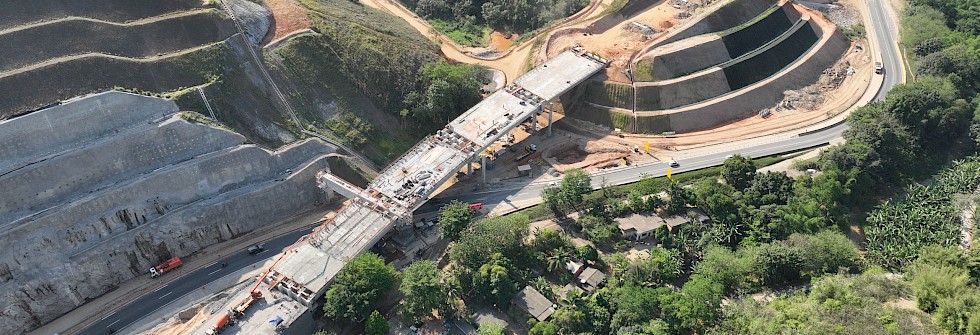
The company’s win in the Fernão Dias Highway auction at the end of 2025 is emblematic of this new phase. Connecting São Paulo and Belo Horizonte, the 569-kilometre route is a key logistics corridor and requires more than R$9.4 billion ($1.8 billion) in upgrades and modernisation works. For Motiva, the asset reinforces its strategy: to grow selectively, at scale, and with operational synergies across its portfolio.
This trend is not new. In 2024, the company invested R$7.4 billion ($1.4 billion), while in 2025 that figure rose by 17.5% to R$8.7 billion ($1.7 billion). During the period, Motiva secured the Rota Sorocabana and Paraná Lot 3, now known as Motiva Paraná, and also won the optimisation auction for the BR-163/MS concession, now Motiva Pantanal. Together, the three projects added around R$38 billion ($7.4 billion) to its planned capital expenditure in roads.

“The Brazilian market offers highly attractive opportunities for private capital.”
Miguel Setas CEO, Motiva
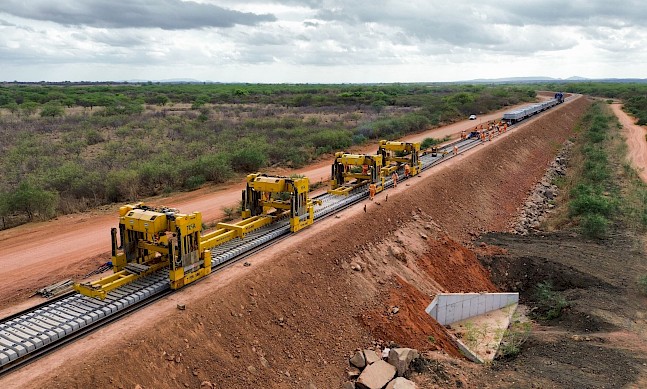
Post ThisThat encompasses a wide range of projects across regions. Among the most notable is the modernisation of the Presidente Dutra Highway, which will remove one of the main logistical bottlenecks between São Paulo and Rio de Janeiro. Other major works include the duplication of sections of the BR-386 in Rio Grande do Sul, as well as upgrades to the Castello Branco and Raposo Tavares highways in São Paulo. These projects improve logistics for national production, enhance road safety for users and stimulate regional economies.
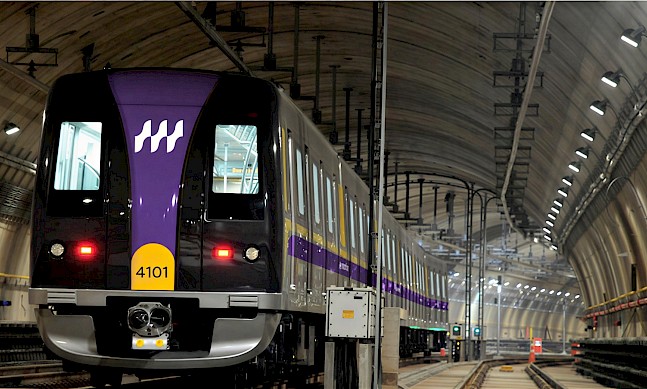
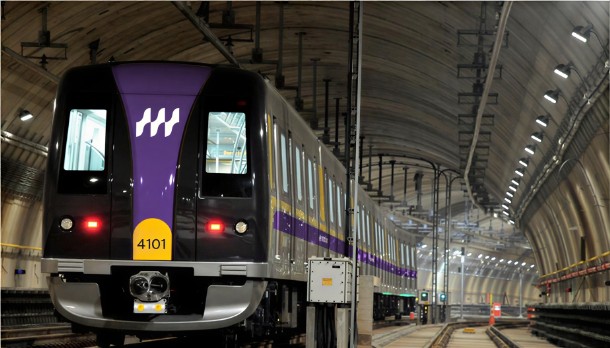
In urban mobility, the same approach applies. The extension of São Paulo’s Line 4-Yellow metro to the municipality of Taboão da Serra will take the system beyond the city limits for the first time. The project includes the construction of two new stations, with the potential to add more than 50,000 passengers per day. At the same time, the company is negotiating the expansion of Line 5-Lilac and preparing to implement a new signalling system on Lines 8-Diamond and 9-Emerald of the metropolitan rail network.
Motiva’s growth comes at a favourable moment for mobility infrastructure in Brazil. In 2026, around 16,000 kilometres of highways are expected to be brought to market, in projects totalling R$190 billion ($36.8 billion) in new investment; Brazil’s road concession programme is now considered one of the largest and most attractive in the world. In urban mobility, meanwhile, the estimated investment potential reaches R$430 billion ($83.3 billion).
This is supported by a mature regulatory framework and investment levels in infrastructure that are still lower than required. Currently standing at around 2% of GDP, studies suggest the optimal level would be closer to 4%. This historical gap creates scope for private investors and long-term operators.
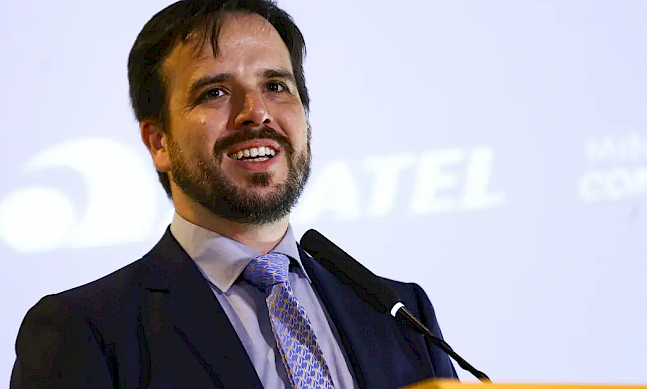
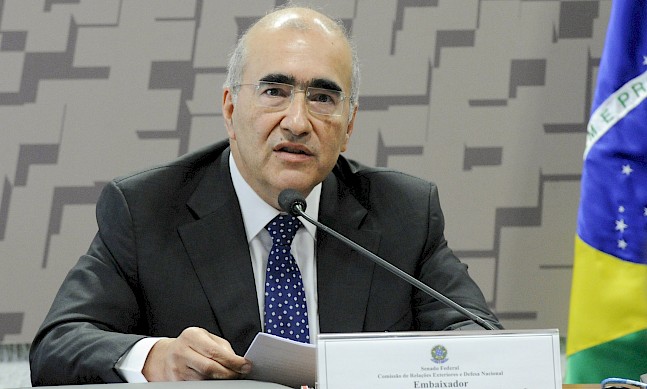
“The infrastructure sector in Brazil offers many opportunities,” says Motiva CEO Miguel Setas. “In 2025, R$280 billion ($54.3 billion) was invested in the segment, a record figure, and the forecast for 2026 is a new record of R$300 billion ($58.2 billion). Today, the Brazilian market offers highly attractive opportunities for private capital, with strong projects and a stable regulatory framework.”
To capture this potential and accelerate growth, Motiva aims to go beyond traditional engineering. The company plans to allocate R$1 billion ($0.19 billion) to innovation by 2035, focusing on AI, big data, the internet of things, automation and new materials. The aim is not only to reduce costs but also to enhance competitiveness, improve the customer experience and prepare operations for smart infrastructure.
At the centre of this strategy is a long-term focus: to grow at scale, with financial discipline, and to transform infrastructure assets into smarter, more connected and more sustainable platforms. At a time when Brazil is again turning to infrastructure as a driver of development, Motiva aims to lead through innovation, technology, sustainability and a strong customer focus.