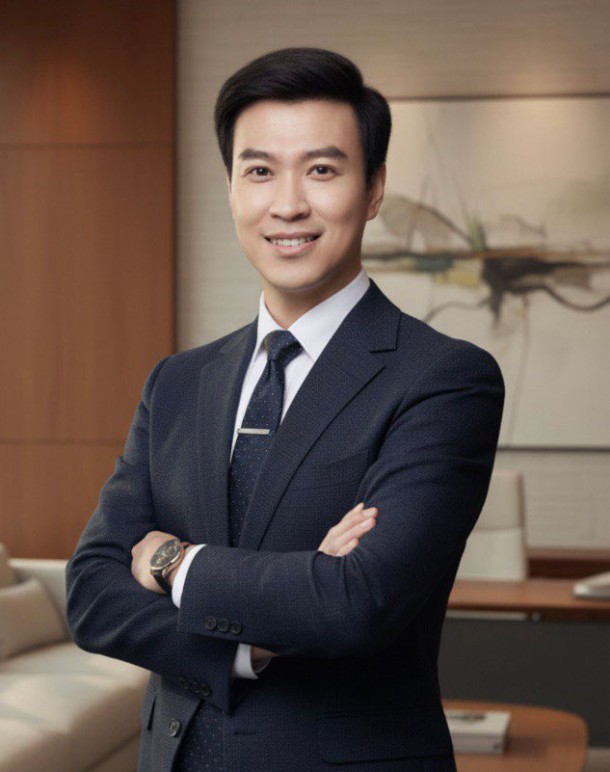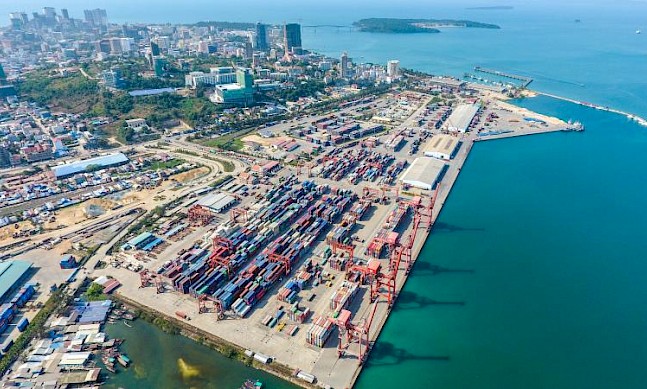








Awesomepick was founded with the ambition of bringing Cambodia’s natural products to the world stage. Emphasizing healthy living and wellness, the company has grown through word-of-mouth marketing and distribution in high-traffic locations such as airports and hotels, including the Shangri-La. In this interview, Founder Akiva Lavoncio explains how branding, preventive health and social impact shape Awesomepick’s vision.
“Our company focuses on products that are associated with preventive treatment because we believe in the notion of ‘you are what you eat’.”
Akiva Lavoncio Founder
Post ThisQ: How has your vision evolved since you founded the company?
Akiva Lavoncio, Founder: From the beginning, I wanted to create something interesting and meaningful. I have worked in the banking industry for the past 16 years, dealing with people and money on a daily basis. I also served as Chief Digital Officer, focusing on the technological side of the business.
I realized that the banking system tends to charge higher interest rates to the poor. From a bank’s perspective, that’s risk management—but personally, I believe these less fortunate individuals are the ones who most need financial support. They often face the highest costs when taking out loans, while wealthier clients enjoy lower, negotiable rates.
Though most people preferred working in places like Singapore, the Philippines, or Thailand, I found Cambodia intriguing and decided to give it a try and to enjoy the experience. After working here for a year and a half, I realized how big the gap was between poor and wealthy people, especially in acquiring property.
I remember visiting a province and thinking that no one could possibly be living in such a dilapidated house, until my secretary told me that people actually were. It made me realize how lucky I was because I never had to see that in Taiwan, and I even got to study and travel abroad my whole life. It is not their choice to be poor, especially if they are born into it, but it made me re-evaluate the environment that I work in. In the banking system, the only factors evaluated are money and repayment ability, which can make the process seem unfair to less privileged people.
At some point, I wanted to do something more meaningful as I grew older. I used my MBA in marketing when I was working with L’Oréal New York, in the fast-moving consumer goods (FMCG) sector and other businesses, which didn’t stop me from coming up with new ideas, one of which was creating my own brand.
In my first two years working in Cambodia, I realized that the country is rich in high-quality products, yet no Cambodian brand has truly established a lasting presence in the consumer market. Everyone knows about Kampot pepper, but Kampot is not a brand; rather, it is a province. I wanted to leverage my expertise and polish and make a brand, which has turned into Awesomepick. I may have started to focus on agricultural products, but we are not just for that industry. The reason I focused on this first is that I want to create something that belongs to Cambodia and helps the community. Farmers work hard to grow their crops, but even if they try to sell to manufacturers, the supply chain is not well integrated, which creates extra costs. These farmers have no bargaining power because they don’t know how—or at what price—to sell their products.
Q: Why did you focus first on agricultural products?
AL: In the beginning, I wanted to work on a product that was associated with Cambodia. The Cambodian Government worked hard to sell Cambodian products by going to different countries, but they are not experts in selling those products. Cambodian producers are lucky that the government has a hands-on approach because countries like Japan or Taiwan only provide policy to support the private sector to sell the products.
The government doesn’t have a lot of budgets and would need private sector support, but they are willing to work with anything they can to promote Cambodia in the international market. They attend numerous exhibitions in different countries to promote their products, and they bring various brands without any clear strategy to help build brand identity. This is the reason why I chose to focus on agriculture, because marketing is important, and there is a huge gap in Cambodia in the marketing and branding area. Branding is crucial because it is how people remember things. I took this as a personal challenge to create something that could give Cambodia a well-known brand, recognized both locally and internationally.
The idea behind the Awesomepick brand name is to create an umbrella brand for different types of products, unlike many Cambodian brands that focus on a single item, such as cashews. Through this brand, we want to show the quality products Cambodia has to offer It’s not just about doing business; we also have a social responsibility to create change and make a positive impact in the market and the community. I find this work deeply meaningful.
Q: How important is innovation for your brand?
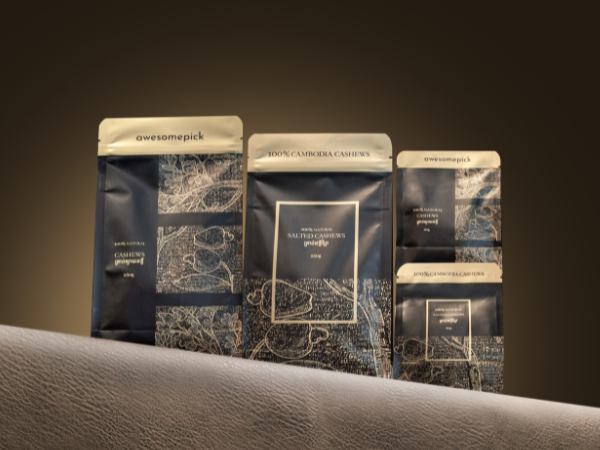
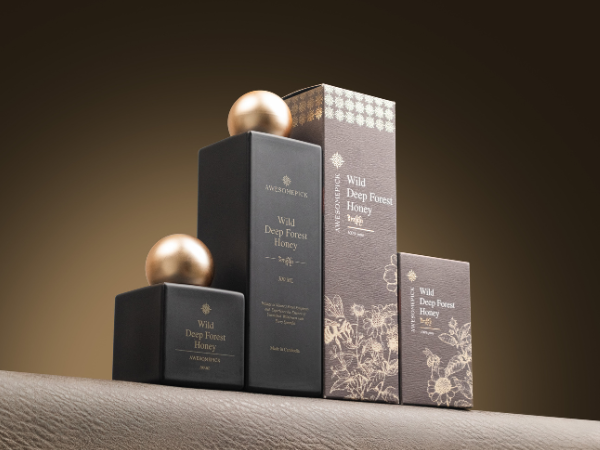
AL: At the moment, we have three different series: cashews, antioxidants and honey elixir or wild honey. Our company focuses on products that are associated with preventive treatment because we believe in the notion of ‘you are what you eat’. Going to a clinic is a privilege in Cambodia because most people can’t afford it, and most of the time, people just go to the pharmacy and buy random prescription medicine. This issue is one of the reasons why I decided for our brand to focus on preventive treatment. I wanted to provide a product that benefits all people, not just the rich, and that is why our brand is devoted to preventive treatment and therapy.
I believe that preventive treatment is the key to addressing the struggles of the poor. These people born in those circumstances struggle to earn a huge amount of money, but they have the right to better living standards, and that is something I want to help with through this company. I want to try to educate those people about practicing preventive measures to keep their health in better condition, because healthy foods don’t cost as much. We want to teach them to have a healthier life, so they don’t have to spend money on treatment.
Q: Who are your partners and how do you grow?
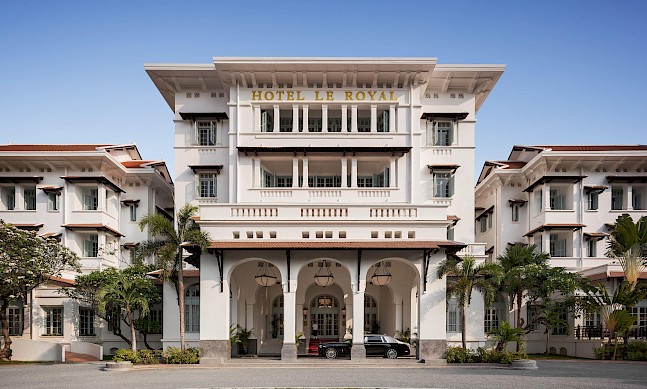
AL: Our business model is a hybrid approach that combines B2B and word-of-mouth marketing. This is the second year of the company, and initially, we hoped to expand to five distribution channels in our first year, but we reached 13 instead. We barely do any advertisements. We try to build and integrate the supply chain by finding trustworthy partners and making them work together. Our distribution channels often include locations like airports and hotels, for example, the Shangri-La Hotel.
Our products are often packed as souvenirs that are associated with health and preventative treatment. We don’t work with influencers to advertise our brand, which has allowed us to become a quite low-profile luxury brand. We are not expensive, but the cost of our products is due to the way we manufacture our products. After people understand our process, they are willing to pay for these products.
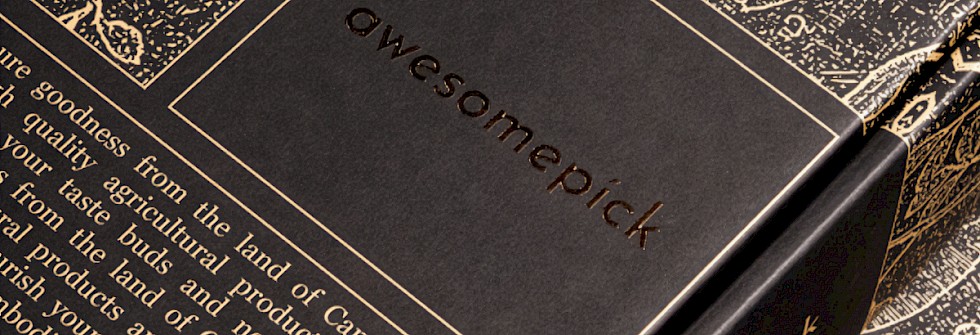
We were able to expand our network after being invited to events, but most of the time, we provided free samples, which also helps spread the brand. In addition, one of our strongest assets is our ability to make products look outstanding and beautiful through their packaging. We’ve worked hard to spread awareness that our products are 100% made in Cambodia and highlight their health benefits. My goal was to create something that connects Awesomepick, agriculture and Cambodia into a cohesive lifestyle solution.
Q: Which products are resonating most strongly with customers?
AL: Our best sellers are our cashews and honey. We haven’t started digital marketing for our honey yet, but it has already become very popular among our customers. This wild honey can be used for anything, has a more unique flavor and is more nutritious than the ones from bee farms. Another new product we sell is black ginger, which is one of the Cambodian products that is high in antioxidants. It is mostly known as ginseng, but that product mostly comes from Korea, and our product is mostly found in Southeast Asia.
Things can easily be lost and regained, but once health is compromised, it’s much harder to restore. No matter how much money you make, it’s essential to take care of your health—especially those who earn a lot, or they’ll just end up spending that money on medical bills. Throughout our lives, we chase many goals, but our true focus should be on staying healthy.