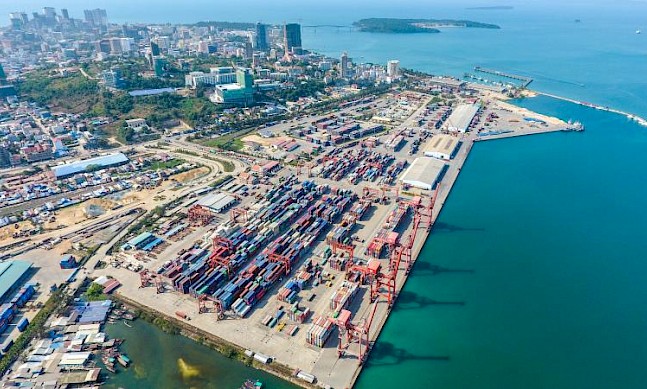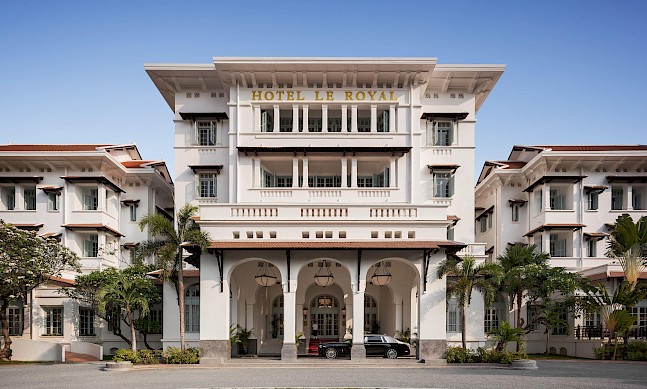








Since launching operations in 2020, WTI Cambodia has been building a broader logistics platform at the intersection of freight forwarding, warehousing, customs support and agricultural exports. For Kimseat Pet, Managing Director of WTI Cambodia, the company’s role is larger than moving goods. It is about connecting Cambodia to global markets, supporting exporters and helping position the country as a more accessible destination for trade and investment. In this interview, he discusses WTI Cambodia’s expansion, its growing U.S. links and its ambitions to scale with Cambodia’s development.
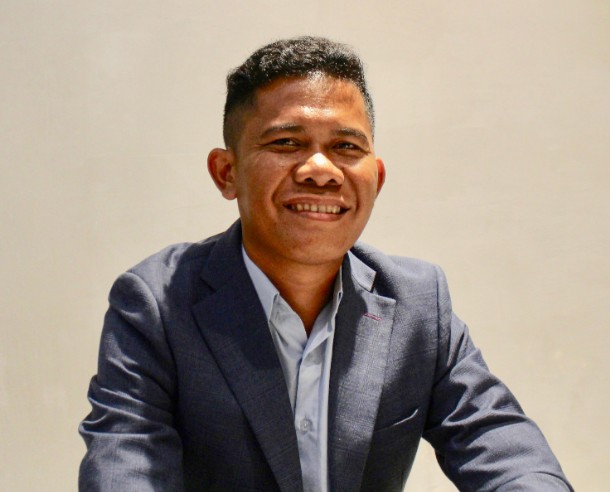
“We aim to connect Cambodia with the world, showcasing what our country can offer and facilitating global trade. I”
Kimseat Pet, Managing Director
Post ThisQ: Since becoming Managing Director, what milestones matter most?
Kimseat Pet, Managing Director: As Managing Director of WTI Cambodia, my mission is to lead our team and empower the younger generation with strong knowledge and practical skills in both international and local logistics. With over 10 years of experience in the field, I bring expertise to guide and inspire innovation. Logistics is constantly evolving, and we must adapt to meet global demands. Our goal is not only to understand and apply logistics but to excel at it. We aim to connect Cambodia with the world, showcasing what our country can offer and facilitating global trade. I began my career in logistics in 2012 and am now 35 years old.
Q: What first drew you to logistics?
KP: I first studied international economics and noticed that Cambodia’s logistics sector was underdeveloped. I then went to Vietnam to study logistics with UPS, a U.S.-based company. Initially, I worked as a delivery person, handling cargo like doughnut powder for customers in the U.S. After two years, I moved into international freight forwarding between Cambodia, Vietnam and the U.S.
Over time, we continued to grow and improve. In 2019, I partnered with our CEO to register a company focused on international freight forwarding, leveraging strong relationships with partners in the U.S. Our customers include not only business partners but also friends, Cambodian, Vietnamese and American, living in the U.S. We value both business and personal relationships. If clients have concerns or ideas, we are open and ready to share insights.
With support from our partners and customers, especially in the U.S., we officially launched the company in 2019 and became fully operational in 2020.
Q: Who are your typical U.S. customers?
KP: In the U.S., when we started our freight forwarding business, most of our partners were also freight forwarders. We work closely with Maersk Line, a well-known company, and handle many bookings with them, not only from Cambodia but also through our U.S. agents. These agents often seek a reliable freight forwarder in Cambodia to secure space and manage shipments for their customers.
When they ask, “Can you help with bookings from Cambodia to the U.S.?”, our answer is always yes. As a freight forwarder, we are committed to supporting our U.S. agents to the best of our ability.
Q: How is WTI Cambodia structured operationally?
KP: Our company structure includes the CEO, managing director and departmental managers. I established a clear departmental structure, including operations, import/export, domestic services for customs documentation and the overseas department. The overseas team connects with international agents, such as those in the U.S., through networks like the World Cargo Alliance (WCA) and CLA. WCA is one of the largest logistics networks globally, and WTI is an active member. We exchange information and support with partners for shipments to and from Cambodia.
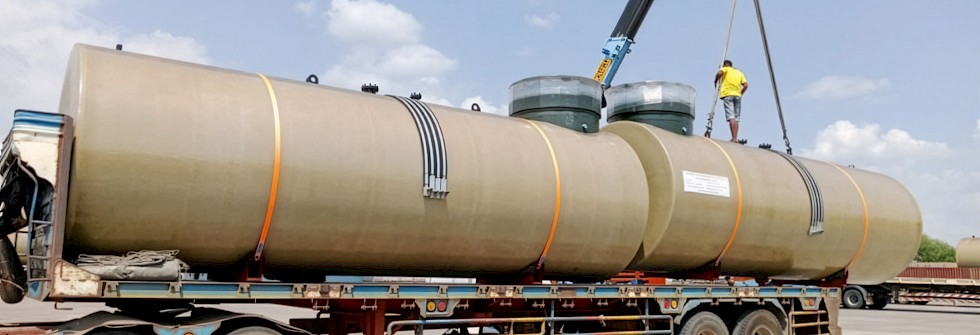
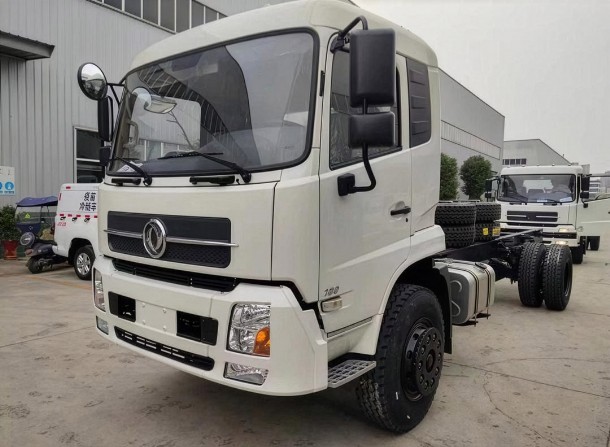
In 2024, we began investing in our own trailers and warehouse operations, which require a strong team. We employ truck drivers and warehouse staff to support logistics. Our office has about 10 staff members, both male and female. Accounting and operations roles are mostly filled by women, while customs brokerage is handled by men due to the physically demanding nature of the work.
Q: How is WTI positioned among stakeholders?
KP: In the U.S. market, we recently joined the WCA network, which provides an international framework, but our brand is still not widely recognized. Only a few companies with regular shipments between Cambodia and the U.S. are familiar with us; others may not yet know our name.
We currently import agricultural products, mainly fertilizers and chemicals like pesticides, from countries such as the U.S., China, Vietnam and Thailand to support Cambodian agriculture. Once local agricultural production is complete, products like rice, pepper and cassava are sold domestically or exported. We help export Cambodian products such as Kampot pepper, dried foods and other agricultural goods to the U.S.
Looking ahead, we are exploring more export opportunities, including mangoes and other fruits, to countries like Malaysia and potentially the U.S. However, this requires thorough research to ensure local suppliers meet quality standards, including harvesting and packaging. It is a step-by-step process that takes time.
For government exports, we usually handle declarations and freight only, as U.S. buyers and Cambodian suppliers often already have established relationships. We act as the logistics bridge, moving goods from Cambodian factories to the U.S.
While we do not manufacture construction materials, we do import them, especially oversized items. We have experience handling non-standard shipments like breakbulk and out-of-gauge cargo.
Regarding warehousing, we manage general cargo for both government and private clients. U.S. buyers sometimes order small packages or samples to test the market. To reduce logistics costs, we consolidate these goods from multiple manufacturers into a single container before shipping. This console box approach helps lower expenses for everyone.
In 2019, before COVID-19, we were a leading mango exporter and booked air freight from Cambodia to Ukraine. However, global market instability has since affected trade conditions.
Q: Do you currently handle rice exports?
KP: Yes, we support a buyer from Malaysia by handling their freight bookings and logistics.
To assist the government with agricultural exports from Cambodia, our first priority is finding ways to reduce logistics costs to make local products more competitive in international markets. This is essential for maintaining price parity with other suppliers.
Second, we have experience handling export documentation, including applying for quotas, export permits from the Ministry of Agriculture, customs clearance, certificates and certificates of origin. We understand buyer requirements and can fully support them. As a logistics company, we are equipped to meet any specific needs our clients may have.
Recently, our company has managed multiple container shipments to Malaysia, the U.S. and the EU. These markets represent our main focus due to high volume, competitive pricing and consistent service quality.
Q: Which Cambodian products do you export most often?
KP: We export popular Cambodian products such as cashew nuts, rice and dried mango, not only to Asian countries but also to the EU and the U.S. Palm sugar is exported to India and the EU, and hot pepper and pineapple also go to the EU.
Last year, we participated in HB Asian in South Korea to showcase our products globally. While WTI Cambodia is not a manufacturer, we support manufacturers by handling logistics from Cambodia to international markets.
We fully understand the certification and documentation requirements of importing countries and ensure compliance for our customers.
Q: Which markets are you targeting for expansion?
KP: Recently, we have been expanding globally, focusing on building partnerships for export. Our main target markets are the U.S., followed by the EU, United Kingdom, Asia and Canada.
Q: What partners are you seeking in North America?
KP: We are looking for reliable partners to support our exports from Cambodia to the U.S. and Canada. While we already export to these markets, we seek trustworthy partners who can assist our customers at the destination, offer competitive pricing and build strong, supportive relationships, just as WTI does on our end.
Q: Are you seeking buyers, freight partners, or both?
KP: We are looking for both buyers and full-service partners. We seek buyers for agricultural products such as rice, chicken and eggs, and we are beginning to explore exports to the EU, Canada and the U.S.
Recently, I heard that egg and chicken prices in the U.S. have surged due to a virus outbreak on farms. Meanwhile, some of our Cambodian customers produce up to 80,000 eggs daily. We aim to support them by finding buyers and facilitating exports to the U.S.
We are also open to orders for pork, chicken, eggs, cashew nuts and more. I can consult, share knowledge and recommend reliable exporters and manufacturers in Cambodia.
Q: How is your team driving innovation and growth?
KP: We started with just five staff and have now grown significantly over five years. We follow clear business plans for one, five and ten-year goals. From the beginning, we have focused on developing talent, transforming inexperienced graduates into skilled operators.
We recruit young people fresh out of university, train them in logistics and help them grow year by year into leadership roles. Becoming a leader in five years is not easy. It requires training, mentorship and a strong understanding of global logistics policies, freight forwarding rules and industry conditions.
Our team members start from the basics and learn every step, from A to Z, before leading others. Now, we are ready to shift from learning to scaling. We are no longer walking; we are ready to run. With our five-year foundation complete, next year marks a new phase of rapid growth.
The world is changing, so we must stay flexible and understand shifting requirements. For example, we closely watch developments in the U.S. market. We gather insights from our global network, over 100 countries, by regularly asking our agents and partners, “How is your business? What is the current process?” This ongoing learning is essential. Without it, we cannot adapt or meet evolving demands.
Q: What does your global research reveal about markets?
KP: First, we learn about the business structure and how it operates. To understand a market, we start by checking sources like Newsweek, which provides insights from global investors. We also consult our network members: “How is your country doing? What is the market like? What do you need from Cambodia?” This is our standard approach.
Q: Why should investors consider Cambodia?
KP: We want to share Cambodia with the world. Cambodia is a fresh market for investors, not only in logistics but across sectors. The government has recently opened up the country, making it easier for anyone to invest. Previously, registration was manual, but now it is streamlined through a single-window online system, saving time and improving efficiency.
WTI has government support, and Cambodia welcomes all investors. Our company not only provides logistics services but also acts as a consultant for import-export matters. We assist with logistics challenges and always do our best to find solutions, as each case is unique.
WTI offers services including sea freight, air freight, customs brokerage, import/export consulting, land transportation, border clearance and warehousing. Our team provides over five to ten years of experience in logistics. We are fully prepared to support any investor in Cambodia with local and international trade.
We also support new investors by guiding them through company registration, customs declarations and permits with relevant ministries such as Agriculture, Health, Economy and the CDC. We aim to offer the best support possible to our partners and clients, backed by hands-on knowledge of customs and logistics.
If you are looking for agricultural product suppliers in Cambodia, rice, cashew, pepper, palm sugar, pork, chicken, or eggs, we can provide recommendations. We also help source materials not available locally, such as wheat for feed mills, by importing from countries like the U.S. and Ukraine.
We work in both directions: helping buyers find Cambodian suppliers and helping local buyers source products from overseas. I may not know everything, but I will always share what I can and do my best to support buyers and suppliers alike.