







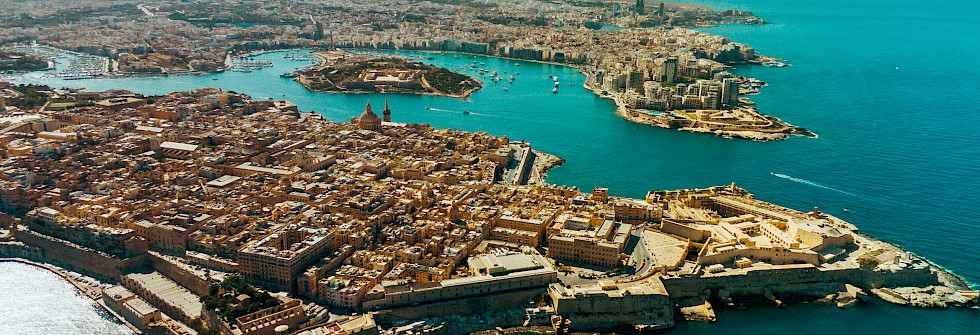
Launched by Prime Minister Robert Abela in February 2026, Malta Vision 2050 sets out the country’s long-term plan, with priorities including sustainable economic growth, better public services and more efficient use of Malta’s scarce land and sea. As part of that agenda, tourism has a clear role to play. Already a key economic driver, the sector offers the potential to generate additional value without placing greater strain on a compact island. “Our tourism industry has been a long-standing pillar of the economy that has proved its resilience through every cycle,” says Carlo Micallef, CEO of the Malta Tourism Authority (MTA).
The MTA’s strategy has shifted in line with those wider goals, prioritising increases in value over simple growth. Data from 2025 shows that approach is already paying off: arrivals rose by 12.9% to just over 4 million – setting a new record – but tourist spending grew faster, climbing 18.6% to €3.9 billion. Average spend per visitor increased by 5.1% to €971, and spend per night by 6.9% to €153, across 25.4 million guest nights. A dedicated effort to position Malta as a year-round destination is also showing results. The first and final quarters of 2025 each gained share of total arrivals, while the peak summer quarter’s share continued to ease.1
Within that broader picture, the UK is central to the sector’s success. Britain remained Malta’s largest source market by some distance, accounting for more than a fifth of all tourists, with arrivals up 19.5% on 2024 and spending up 25.9%1 – again demonstrating that the value-over-volume initiative is bearing fruit. Long-standing ties, direct connections and a shared language underpin that relationship, providing the basis for the kind of deeper connection the MTA is seeking to build when shaping the guest experience. “That kind of connection creates loyalty, generates authentic advocacy and sustains long-term competitiveness in a way that no marketing budget alone can achieve,” says Micallef.
Arrivals rose by 12.9% to just over 4 million – setting a new record – but tourist spending grew faster, climbing 18.6%.
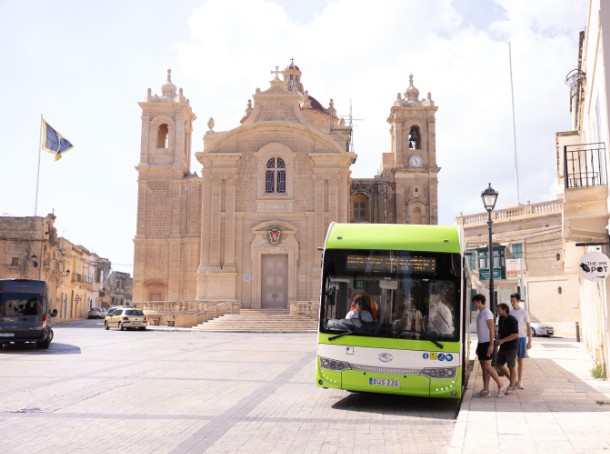
Early figures for 2026 suggest those gains are continuing to accrue. Between January and July, Malta welcomed 2.62 million tourists, up 18.6% year on year, while total spend rose 15.8% to €2.33 billion. UK arrivals grew by a further 18.8%, alongside rapid growth from Poland and Romania, both up by more than 50%, as well as Scandinavia and the US. Notably, business arrivals rose by 26.3%1, underlining Malta’s growing profile as a destination for business travel and for the meetings, incentives, conferences and exhibitions segment.
One of the keys to sustaining that growth lies in attracting investment from UK and European partners. With a clear long-term strategy and a sector growing in both volume and value, opportunities extend from high-end hotels to new visitor experiences and the infrastructure that supports them. For Micallef, the island’s track record and advantages provide the ideal foundation: “Malta has demonstrated consistent political stability over many decades, and our economic performance has been among the strongest in the European Union in percentage terms.”
Fast Facts
Total tourist spending in Malta in 2025, up 18.6% on 2024 and growing faster than arrivals as the focus shifts to value over volume. 1
The UK’s share of all tourist arrivals in 2025, keeping Britain Malta’s largest source market, with UK visitor spending up 25.9%. 1
The islands for all seasons: why Malta offers something for everyone
From ancient temples and turquoise lagoons to village festas and Michelin-starred dining, the Maltese islands offer a wealth of experiences.
Few destinations pack as much into so small a space as the Maltese archipelago. Across its three inhabited islands, visitors can move from prehistoric temples to Baroque cathedrals, sheltered coves to clifftop walks and lively village festas to fine dining – often in the space of a single day. That variety, combined with a Mediterranean climate that averages 3,000 hours of sunshine per year, makes Malta a destination for every season – and every type of traveller.
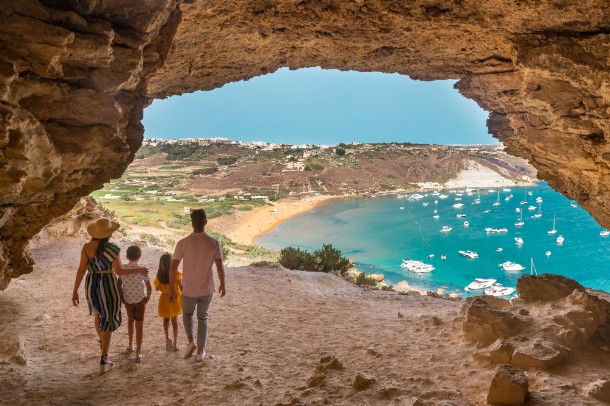
All of that is in addition to the islands’ celebrated beaches. Wide sandy bays, swimming spots carved into the limestone rock and famously clear waters draw swimmers, divers and sailors for much of the year, while between Malta and its sister island Gozo lies Comino, home to the turquoise Blue Lagoon. Gozo itself, just a 25-minute ferry ride away, offers a greener, more rural counterpoint, with a slower pace of life, the hilltop Cittadella in Victoria and landscapes steeped in the legend of the nymph Calypso.
Whether drawn by the sea, the food or the history, visitors prize Malta for an experience that feels authentic, unhurried and distinctly Maltese – one that caters for every taste and every escape.
Fast Facts
Of history, with temples older than Stonehenge and the Pyramids.
UNESCO World Heritage Sites, including the capital, Valletta.
Of sunshine a year on average, among the highest in Europe.
The many sides of Malta
From sun-drenched beaches to centuries-old traditions, three signature experiences showcase the variety that awaits in Malta.
Beaches to take the breath away
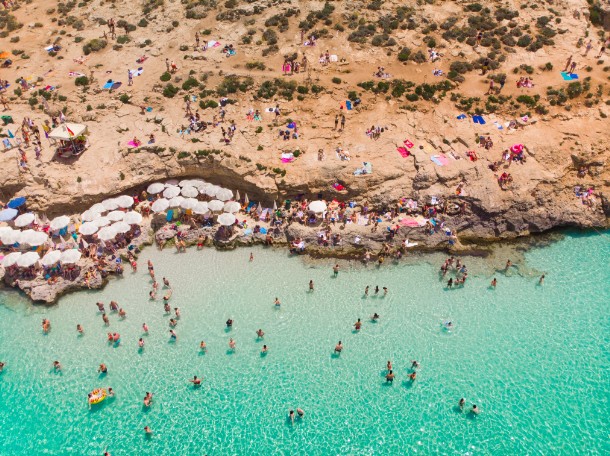
Malta boasts a wealth of options for sun worshippers. On the north-west coast, the sweeping beaches of Golden Sands and Għajn Tuffieħa are among the islands’ biggest draws, while St Peter’s Pool near Marsaxlokk is a natural lido of flat limestone ledges framing deep, crystal-clear water, popular with swimmers and snorkellers. Comino’s sea caves are best explored by boat, and leisure cruises, kayaking and surfing offer a different perspective on the islands’ dramatic coastline.
A true taste of the Mediterranean
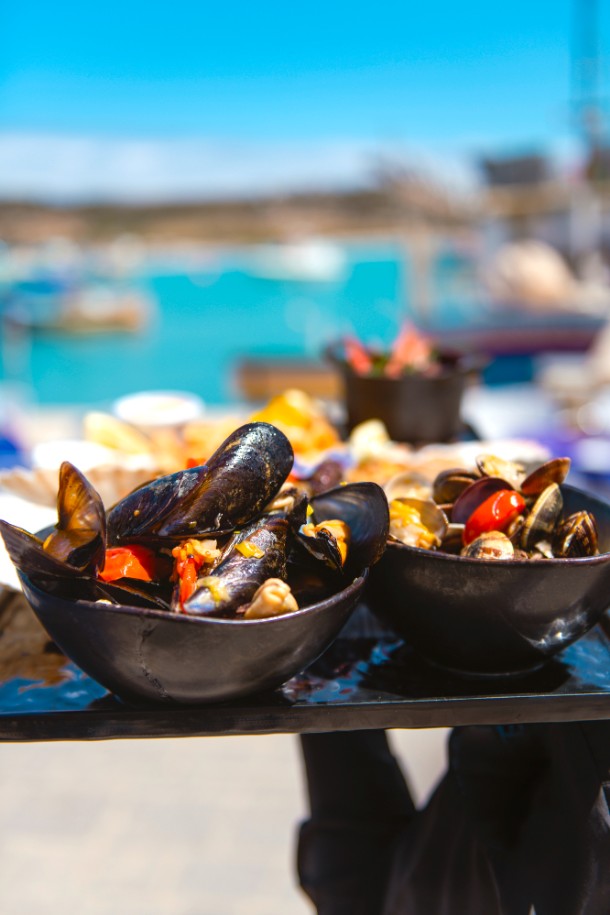
Influenced by the flavours of nearby Sicily and North Africa, Maltese cuisine is Mediterranean through and through. Visitors can sample ravjul, the islands’ take on ravioli, alongside pastizzi, freshly landed seafood, local honey, olive oil and sea salt harvested from coastal pans. Al fresco dining is a way of life, from harbourside tables to village squares, while Michelin-starred restaurants showcase the creativity of Malta’s chefs and the quality of authentic Maltese produce.
A culture all of its own
With 7,000 years of history, Malta’s heritage is woven into everyday life. Its megalithic temples predate both Stonehenge and the Pyramids, and the islands count three UNESCO World Heritage Sites, including the underground Ħal Saflieni Hypogeum and the capital, Valletta. The city is home to St John’s Co-Cathedral, which houses the only signed Caravaggio, while watchtowers and fortresses still guard the coast. Village festas and traditional crafts such as glassmaking keep that heritage vibrant today.