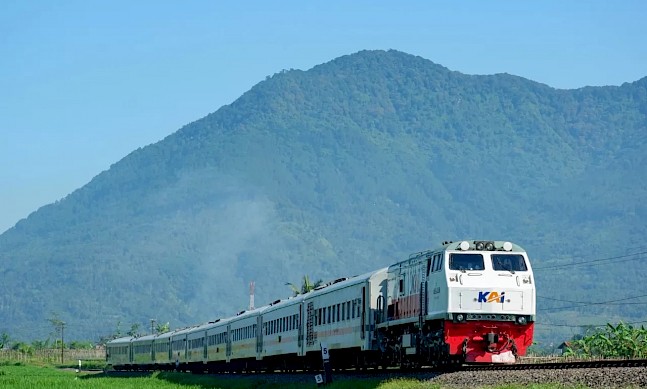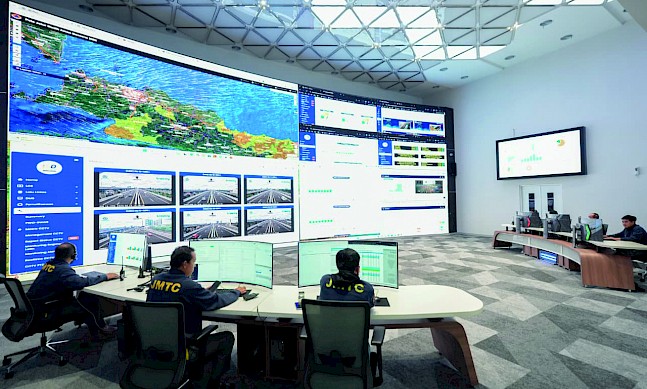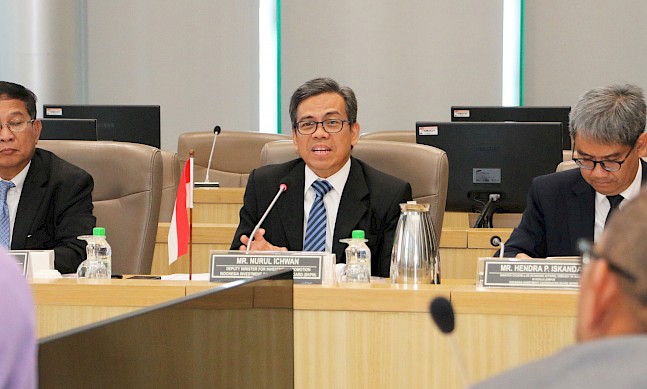








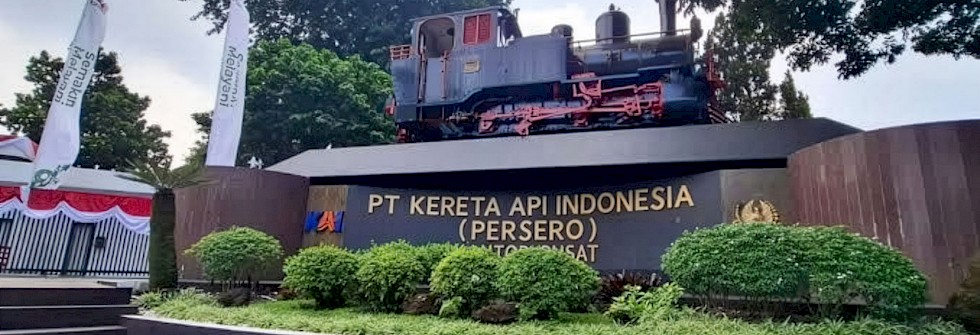
PT Kereta Api Indonesia (KAI) is one of Southeast Asia’s most significant rail operators, carrying more than 503 million passengers annually across its network—a figure that swells dramatically at peak times such as Eid, when more than 60 million passengers travel over the period.
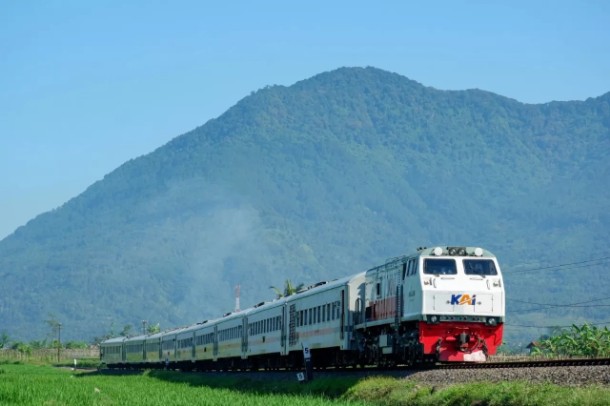
Under President Director Bobby Rasyidin, priorities include network modernization, capacity increase and expansion. “In Europe, you calculate demand and then create capacity. In Indonesia, build it and they will come. That is why our priority is expanding the network,” he says.
Also prominent is a push to grow KAI’s position in commodities. A key opportunity lies in Kalimantan, where vast coal reserves require extraction and transport, and the company is currently exploring greenfield railway options. “We need to extract and transport around 300 to 400 million pounds per year,” says Rasyidin. “The only way is rail.”
With a background in industrial technology, Rasyidin brings a transformation-focused lens to those goals. International partnerships—bringing investment, technology and operational efficiency—are central to KAI’s strategy, while the company is engaging with global technology firms to develop local industry, including locomotive manufacture.
Fast Facts
customers served during 2026 Eid al-Fitr transportation.
seats available, up 5.4 percent year on year.
special crossing officers on standby to strengthen travel safety.
customers per day use the Jabodetabek commuter service.
Capacity expansion towards 2m commuter customers per day by 2030.
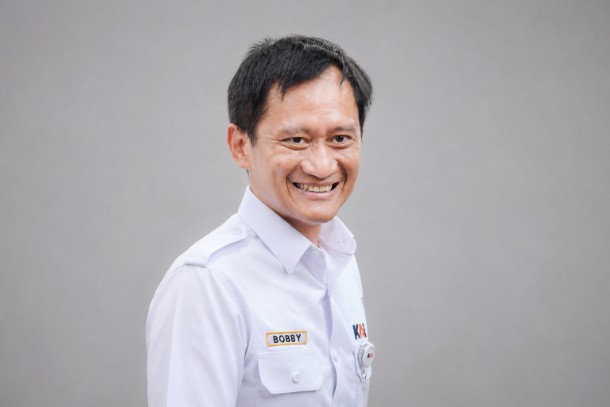
“Our modernization focus includes signaling, telecommunications, electricity and train modernization”
Mr. Bobby Rasyidin, President Director at PT Kereta Api Indonesia (KAI)
Post ThisPresident Director Bobby Rasyidin discusses modernizing Indonesia’s rail network, opportunities for growth and why international partnerships are central to KAI’s long-term ambitions.
Q: How has your leadership helped shape the company?
From day one, I saw a major opportunity. First, how to elevate KAI into a world-class operator. Second, how to enhance our position in commodities transportation. My focus has been to fine-tune, not redefine, the company roadmap by integrating these two goals.
Q: What are your current strategic priorities?
In Java, a priority is modernizing existing networks, especially in Jabodetabek. The Jakarta commuter line carries about 1.3 million passengers per day. Our modernization focus includes signaling, telecommunications, electricity and train modernization to anticipate demand growth. By 2030, we anticipate around 2 million daily passengers.
Another priority is expanding the network. Coverage currently reaches Cikarang, and there has been demand to extend further east, south and west. For Java intercity services, we also plan to reactivate around 2,000 kilometers of inactive lines.
Q: Where do you see opportunities for growth?
Rail’s penetration in Indonesia is still very low, especially for commodities. In Java, container volumes are around 20 million TEUs annually, but we carry less than 300,000. This is significant room to grow, and we must develop logistics networks in Java.
Q: What scope does that create for international partnerships?
We need partners who can bring investment, technology and operational improvements, especially efficiency. Logistics costs in Indonesia are among the highest in the world, around 16 percent of GDP. We ran simulations: if we increase rail’s logistics share from 1.5 percent to around 20 percent, logistics costs in Java could drop significantly. That would help local industry and improve Indonesia’s competitiveness.
Q: Why is now the moment for investors to consider Indonesia?
Indonesia’s economic stability is very strong today despite global crises, conflicts and economic volatility. Growth is stable. Consumption behavior is also changing: younger Indonesians are spending more on leisure and tourism.