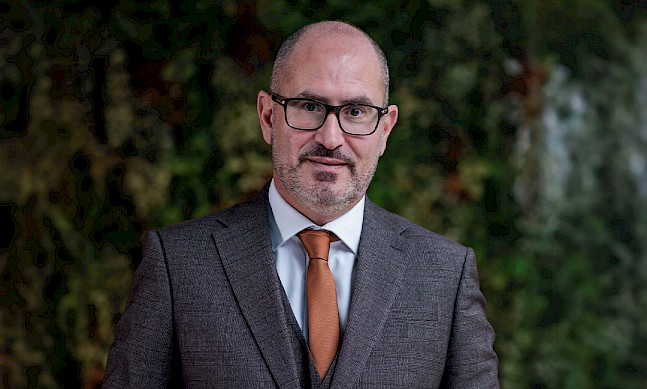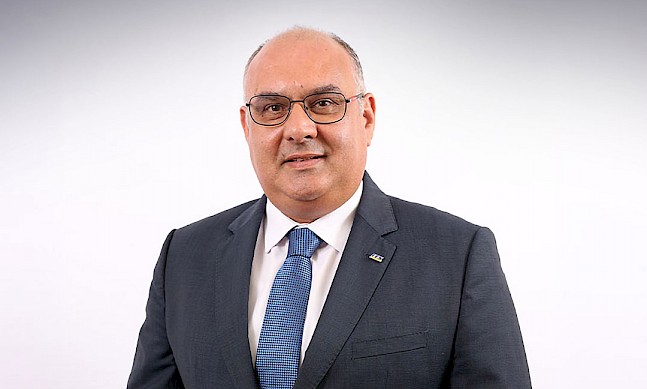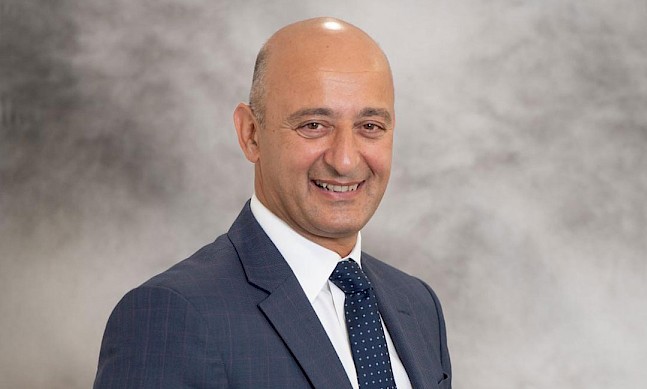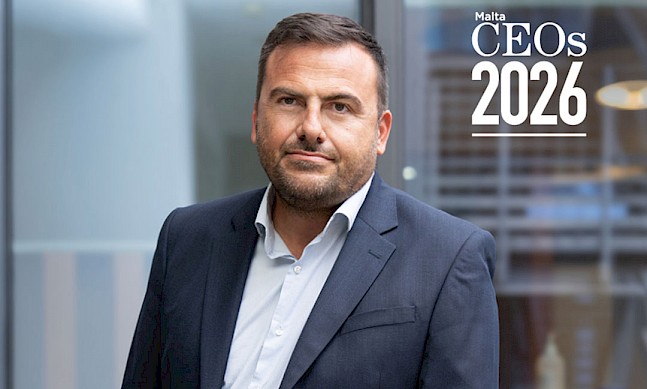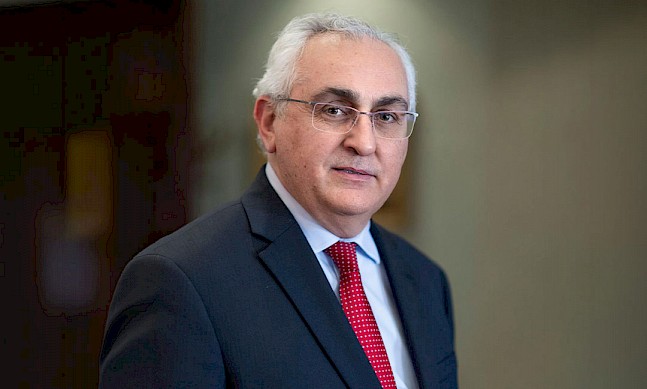







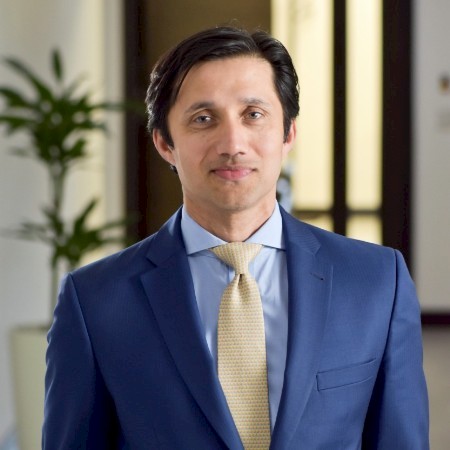
CEO of GO since 2018, Nikhil Patil has led Malta’s leading communications provider through its transformation into a broad digital and technology services group spanning connectivity, data centres and energy. Here, he explains why GO is first in the business of trust.
Q: How has your vision for GO evolved?
I joined GO in 2018, though I had been with the group for a long time in different capacities before that. When I took on the chief executive role, we were still in the process of migrating to next-generation networks.
One of the things we embarked on was a journey of introspection: why do we exist, and what would happen if GO didn’t exist? The consensus we reached, through conversations with different stakeholders, was that our purpose is to drive a digital Malta where no one is left behind. If all we have done is give people internet so they can watch streaming services, we haven’t done our job completely.
Q: How does GO’s role extend beyond connectivity?
GO plays an inordinately large role in Maltese society. We turned 50 last year. With that comes a responsibility to carry trust at a scale that very few organisations face.
The fact that Malta today hosts some of the largest gaming companies in the world, major financial services firms and Ryanair’s European headquarters is facilitated by the quality of our digital infrastructure. We wanted to build a culture that is genuinely proud of that contribution. The real transformation at GO has been to become a purpose-driven company and to align every decision we make – what we invest in, what we value in one another as employees – through that lens.
Q: How has GO’s focus shifted in a competitive market?
In telecoms, the default competitive instinct is to focus on price and internet speed. We fundamentally changed that view at GO. We decided to look away from the competition and focus entirely on our customers. We don’t need to be number one in market share or revenue share – we need to be number one in the minds of our customers.
To focus on our customers, we first had to focus on our people. Many companies place profit at the centre, build products to drive that profit and then recruit people to build those products. We inverted that pyramid. We said: if we create a culture where people feel they get more out of GO than they put in, those people will naturally focus on building great products for customers.
Q: How is GO advancing its sustainability objectives?
We started thinking about climate change as both a societal responsibility and a genuine revenue opportunity. Rather than treating it as a corporate social responsibility exercise, we asked: we have the skills, we have the capital, we have the customers – why don’t we lead?
Our strategy had three phases. First, reduce the carbon we use ourselves. Investing €100 million in fibre and decommissioning copper infrastructure saved us an estimated 10–20 per cent of our carbon footprint. Second, replace our energy sources. The building we are sitting in now, our main campus, is effectively net zero – all the energy it consumes is generated on-site.
Q: What is GO Energy offering customers?
The third phase was transformation: taking that experience and offering these services to our customers through GO Energy. In the last three years, GO has become one of the largest providers of solar energy in Malta.
Beyond energy generation, we invested in an IoT platform that enables large hotels and commercial buildings to reduce their energy footprint. If you stay at the Hilton or the Westin in Malta, the lights switch off when you leave your room and the air conditioning adjusts when you open the door – because GO technology is working in the background.
Q: What do you want customers to associate with GO?
We like to say that we are not just in the business of telecoms – we are first in the business of trust. Seventy per cent of large businesses in Malta are GO customers. More than 50 per cent of the island gets its internet from us. People trust us to provide a service that is reliable. We like to say that no one goes to bed without internet. Delivering on that promise day in, day out has built an extraordinary level of trust.
Q: How has that trust enabled growth beyond telecoms?
Once you have established trust at that scale, it opens up your customers’ willingness to trust you with other products. That is why today 30–40 per cent of our revenue comes from non-traditional telecom services. We are the largest provider of data centre services in Malta. We are one of the largest providers of solar energy. We are one of the largest providers of digital healthcare platforms for elderly people. These services require talent, technology and the ability to deliver consistently. People trust GO’s people to do that.
Q: How does GO differentiate itself today?
Today, when I go into a meeting, I rarely start by asking what kind of internet speed someone wants. I start by asking what challenges they are facing. What we try to do is understand a customer’s digital needs and then demonstrate that there is a very high probability – around seven in ten – that our product portfolio, combined with the talent to deliver it, can meet those needs.
We are no longer positioning ourselves as a telecom provider. A client meeting today could be about installing security services, optimising energy consumption or even – and this is something we are currently experimenting with – using humanoid technology to monitor premises.
Q: What is your message to UK investors and businesses?
Connectivity is the first thing I would highlight. Malta is exceptionally well connected to major capital cities. There are around eight flights a day from London alone. For anyone based in Britain, Malta feels like a natural second home.
Beyond that, Malta is a genuinely pro-business environment. Because it is a small nation, things get done quickly.
What I would leave UK investors with is this: do not think of Malta simply as a sunny island. Think of it as a city-state. We have been one of the fastest-growing economies in Europe for the past two decades, with a diversified base that does not depend on any single sector.
Q: Where do you want to take GO over the next five years?
I try to be a journey person rather than a goal person. When I ask myself whether I love going into work every day, the answer is yes – because I see people who are switched on, who are helping each other and who are genuinely invested in what we are building together. What I am really focused on is creating a culture that is unique to GO: one that starts with the belief that if you invest in people, attract the best talent you can and help them grow, everything else will follow.