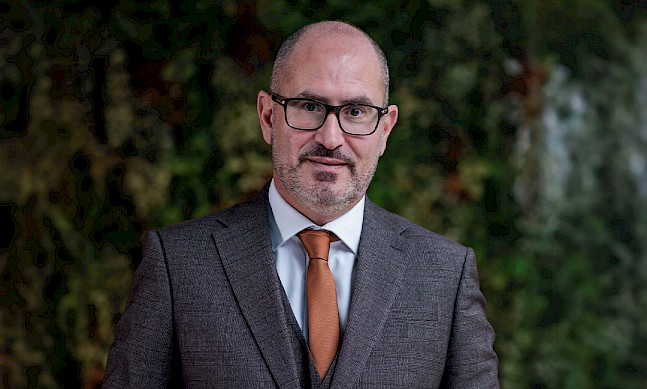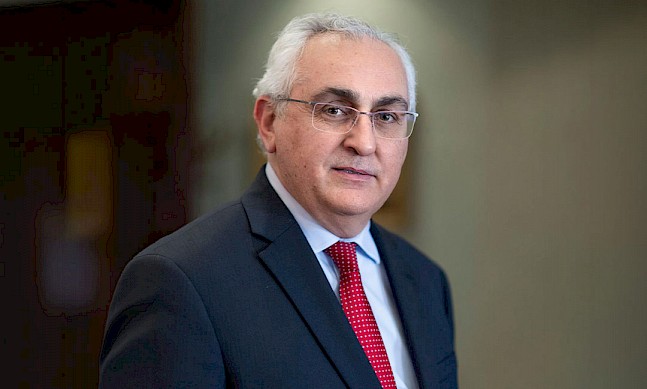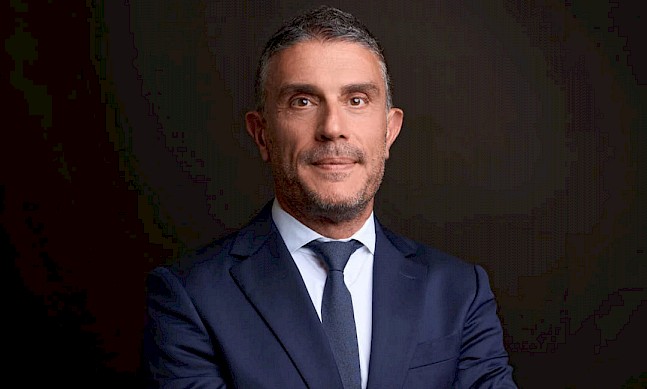







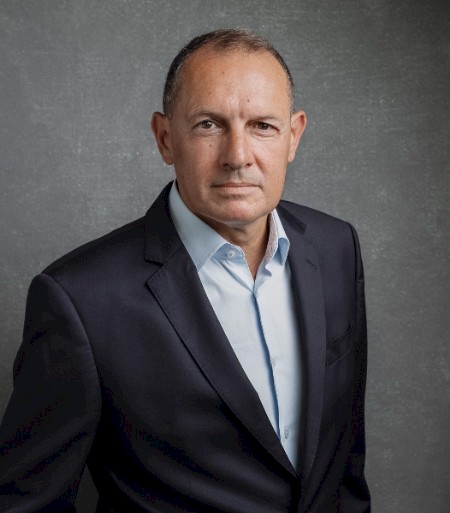
CEO of The Convenience Shop since January 2025, David Tabone brings more than two decades of experience across the FMCG and hospitality industries to Malta’s largest convenience retail network. Here, he explains how the group is building a modern, home-grown retail brand through its MyConvenience and MySupermarket formats.
Q: How has your vision for the group evolved?
When I arrived, I found a business with real entrepreneurial roots and the biggest footprint in the market. Over the past year, our thinking has shifted. It is no longer just about opening more shops. We are building a properly integrated retail group, with clearer formats, higher operating standards, smarter use of technology and a much sharper focus on the customer.
Developing MyConvenience and MySupermarket has been central to that. It lets us serve people who are shopping for very different reasons, while bringing the whole network together under one stronger, more coherent brand.
Q: What priorities will shape the group’s next phase?
The next phase is really about disciplined growth. We will keep growing the network, of course, but we also want to invest in our people, improve the experience for customers, use our data far more intelligently and make sure the infrastructure behind the business keeps pace with the number of shops we have.
Q: How do you want shoppers to perceive the My brand?
Convenience is still at the heart of what we do. But convenience today means a lot more than having a shop round the corner. People want good value, the right range, fresh products and quick, friendly service, and more and more they expect the shop and the app to work together seamlessly.
MyConvenience is built around quick, easy everyday shopping, while MySupermarket is for customers doing a bigger, more planned shop. The two formats play different roles, but the promise behind them is the same. In the end, we want people to see the My brand as familiar, reliable and modern: a genuinely home-grown Maltese retailer that understands how people here live and shop, and that keeps raising the bar for what they can expect from their local grocer.
Q: How would you define the group’s market position?
Our scale puts us in a very strong position, but scale alone is not enough. One of our real strengths is how dense and accessible the network is. We are in more than fifty communities across Malta and Gozo, and being that close to people gives us a very good feel for how they shop locally.
Our franchise partners have always brought a great deal of entrepreneurial energy to the business. The group, in turn, provides the brand, the systems and the commercial muscle, and increasingly the technology and data they need to succeed. Grocery is an everyday business, so we have to earn people’s trust again and again. That is why the goal is not simply to have the biggest footprint possible. It is to make that footprint consistently better.
Q: What is driving the group’s growth?
It is a mix of things. The network has grown, our existing shops are performing better and what we offer customers is stronger. We have kept expanding, but we have put just as much effort into getting more out of the shops we already run and making them better places to shop. That means refurbishments, better merchandising, clearer layouts, sharper commercial execution and continuing to roll out the MyConvenience and MySupermarket formats.
We want growth that lasts, not growth for its own sake. So we are investing in the systems, people and operational capabilities that a larger organisation needs, while holding on to the qualities that made the business a success in the first place.
Q: Where are the opportunities for UK FMCG companies?
Malta and the UK have long-standing cultural and commercial ties, and British brands are still very familiar to Maltese shoppers. For FMCG businesses, I think there are opportunities both in established categories and in bringing new products and ideas to the Maltese market.
We are especially interested in partners who offer something genuinely different, whether that is product innovation, healthier options, own-label development, more sustainable packaging or fresh thinking on convenience retail.
“Malta gives access to the broader European market under a familiar, English-language legal and regulatory framework. The business conditions are strong, the economy is growing – GDP is running at around 4%, which most countries would dream about.”Post This
Q: What opportunities exist beyond traditional supply?
The opportunities go well beyond traditional FMCG supply. Retail is increasingly driven by technology, so we are keen to hear from partners working in customer data, loyalty, digital engagement, automation and anything else that can improve the shopping experience or help us run more efficiently. For the right partner, Malta can also be an attractive, compact market in which to launch, test and refine new ideas.
Q: How is digital innovation changing customer engagement?
Digital is turning what used to be a purely transactional relationship into a much more connected one. Through MyRewards and the new shopping app, we are starting to see how customers interact with us across the whole network, rather than looking at each transaction on its own. That means we can make our communications, promotions and rewards far more relevant to each person.
For us, digital is not a separate business from our shops. The physical network is still at the centre of everything we do. Technology should make that network more convenient for customers, and smarter and more efficient for the people running it. Bringing physical retail, loyalty and technology together in that way will be an increasingly important part of what sets us apart.
Q: What is your message to UK investors and business leaders?
Malta has quite a few things going for it from a business point of view. It is a small market, but it is highly international, economically active and very open to new ideas, products and investment. It also combines EU membership with an English-speaking business culture and long-standing commercial links with the United Kingdom.
In fact, our size can be our biggest advantage. Businesses can get to know the market fairly quickly, build relationships and test ideas in a compact setting. UK companies in particular already have a head start, because the two markets know each other well. The opportunity, I believe, is to see Malta not simply as a small domestic economy but as a dynamic market where international businesses can build partnerships, try out ideas and establish a real presence.
Q: What legacy do you hope to build?
The Convenience Shop was built over many years by entrepreneurs, franchisees, employees and partners. My job is to help carry that success into its next stage, by putting in place the structure, brands, systems and culture that allow the organisation to work well at a much larger scale. The legacy I would like our generation to leave is a business that is stronger, more professional and able to keep growing long after any one leader has moved on.
I would also like us to show that a Maltese retailer can combine the closeness and entrepreneurial spirit of a local company with the standards, technology and ambition of a modern international one. If, along the way, we raise expectations of convenience retail in Malta and build an organisation that creates opportunities for our people, our franchise partners and the communities we serve, I would consider that a contribution well worth making.